
ABOUT US
The PersPred Team
Meet the researchers and technical contributors behind PersPred.
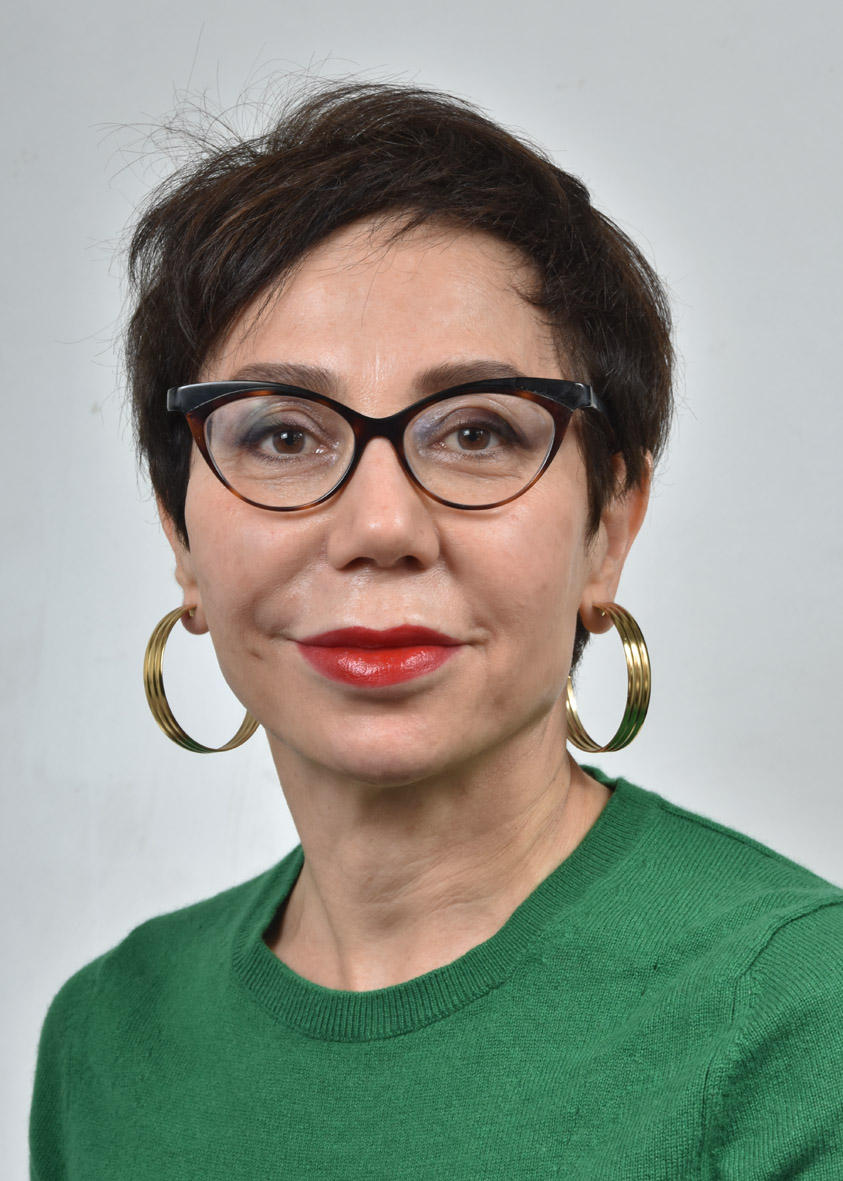
Pollet Samvelian
Professor of Linguistics · Sorbonne Nouvelle University
Pollet Samvelian is Professor of Linguistics at Sorbonne Nouvelle University and a member of the Lattice research laboratory (CNRS, ENS, Sorbonne Nouvelle). Her research focuses on Persian and Iranian linguistics, with particular interests in syntax, the morphology-syntax and lexicon-syntax interfaces, linguistic typology, and language variation and change.
A major strand of her research has been devoted to Persian complex predicates, which she has investigated from syntactic, semantic, lexical, and corpus-based perspectives. She is the author of Grammaire des prédicats complexes. Les constructions nom-verbe (2012) and co-editor of Approaches to Complex Predicates (2016).
She initiated and coordinated the development of PersPred, from its first version, created within the French-German ANR-DFG PerGram project, to PersPred2, its substantially expanded multilingual version, funded by the Laboratory of Excellence (LabEx) “Empirical Foundations of Linguistics” (EFL).
Pollet Samvelian est professeure de linguistique à l’Université Sorbonne Nouvelle et membre du laboratoire Lattice (CNRS, ENS, Sorbonne Nouvelle). Ses recherches portent principalement sur le persan et les langues iraniennes, avec un intérêt particulier pour la syntaxe, les interfaces morphologie-syntaxe et lexique-syntaxe, la typologie linguistique ainsi que la variation et le changement linguistiques.
Une part importante de ses travaux est consacrée aux prédicats complexes du persan, qu’elle étudie dans leurs dimensions syntaxique, sémantique et lexicale, notamment à partir de données de corpus. Elle est l’autrice de Grammaire des prédicats complexes. Les constructions nom-verbe (2012) et a codirigé l’ouvrage Approaches to Complex Predicates (2016).
Elle est à l’origine de PersPred et en a coordonné le développement, depuis la première version, élaborée dans le cadre du projet franco-allemand ANR-DFG PerGram, jusqu’à PersPred2, sa version multilingue considérablement enrichie, financée par le Laboratoire d’Excellence (LabEx) « Fondements empiriques de la linguistique » (EFL).
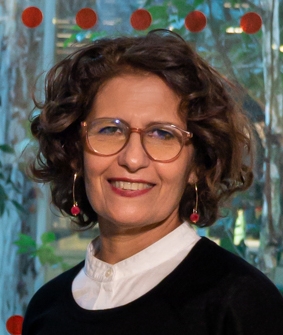
Farzaneh Zareie
Research Engineer · CNRS
Farzaneh Zareie is a research engineer at the CNRS (CeRMI – Centre de Recherche sur le Monde Iranien, UMR 8041). She is also responsible for the Persian-language collections covering Iran and Afghanistan at the Bibliothèque universitaire des langues et civilisations (BULAC).
She has been involved in the PersPred project since its inception.
Farzaneh Zareie est ingénieure de recherche au CNRS (CeRMI – Centre de Recherche sur le Monde Iranien, UMR 8041). Elle est également chargée des collections du domaine persan, couvrant l’Iran et l’Afghanistan, à la Bibliothèque universitaire des langues et civilisations (BULAC).
Elle participe au projet PersPred depuis sa création.
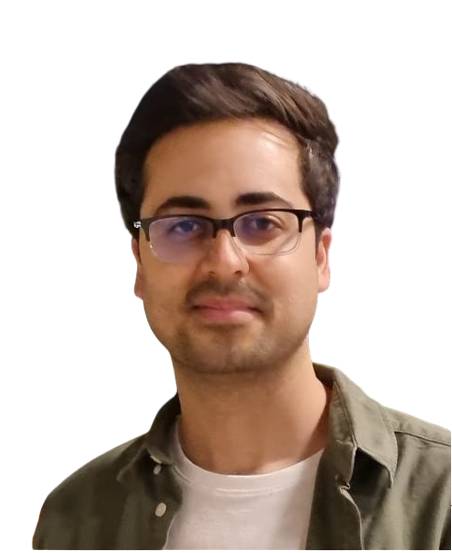
Milad Shariatmadari
PhD in Linguistics · Associate Member of Lattice
Milad Shariatmadari holds a PhD in Linguistics from Sorbonne Nouvelle University and is an associate member of Lattice (CNRS, ENS, Sorbonne Nouvelle). His doctoral dissertation, entitled A Usage-based Approach to Word Order Variation and Change: The Case of Non-core Arguments, focused on Iranian languages, with particular attention to Kurdish (Kurmanji and Sorani).
His research interests include linguistic typology, language contact and areal linguistics, and statistical modelling. Within the PersPred project, he contributed to the expansion and revision of the lexical database and to the development of its new online version.
Milad Shariatmadari est titulaire d’un doctorat en linguistique de l’Université Sorbonne Nouvelle et membre associé du laboratoire Lattice (CNRS, ENS, Sorbonne Nouvelle). Sa thèse, intitulée A Usage-based Approach to Word Order Variation and Change: The Case of Non-core Arguments, porte sur les langues iraniennes, avec une attention particulière au kurde (kurmandji et sorani).
Ses recherches s’inscrivent notamment dans les domaines de la typologie linguistique, du contact de langues et de la linguistique aréale, ainsi que de la modélisation statistique. Dans le cadre du projet PersPred, il a contribué à l’enrichissement et à la révision de la base de données lexicale ainsi qu’au développement de sa nouvelle version en ligne.
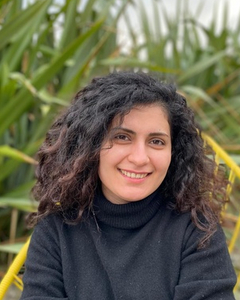
Yasamin Nematollahi
PhD Candidate in Language Sciences · Sorbonne Nouvelle University
Yasamin Nematollahi is a PhD candidate in Language Sciences at Sorbonne Nouvelle University and a member of the Lattice research laboratory (CNRS, ENS, Sorbonne Nouvelle).
Her doctoral research examines the evolution of Persian vocabulary through the historical newspaper Ettelaat (1926–2006), combining corpus digitisation with the study of neologisms and lexical change.
With a background in data analysis and digital methods, she contributes these skills to the PersPred project.
Yasamin Nematollahi est doctorante en sciences du langage à l’Université Sorbonne Nouvelle et membre du laboratoire Lattice (CNRS, ENS, Sorbonne Nouvelle).
Sa recherche doctorale porte sur l’évolution du vocabulaire persan à travers le journal historique Ettelaat (1926–2006), en combinant la numérisation de corpus avec l’étude des néologismes et du changement lexical.
Grâce à sa formation en analyse de données et en méthodes numériques, elle apporte également ces compétences au projet PersPred.
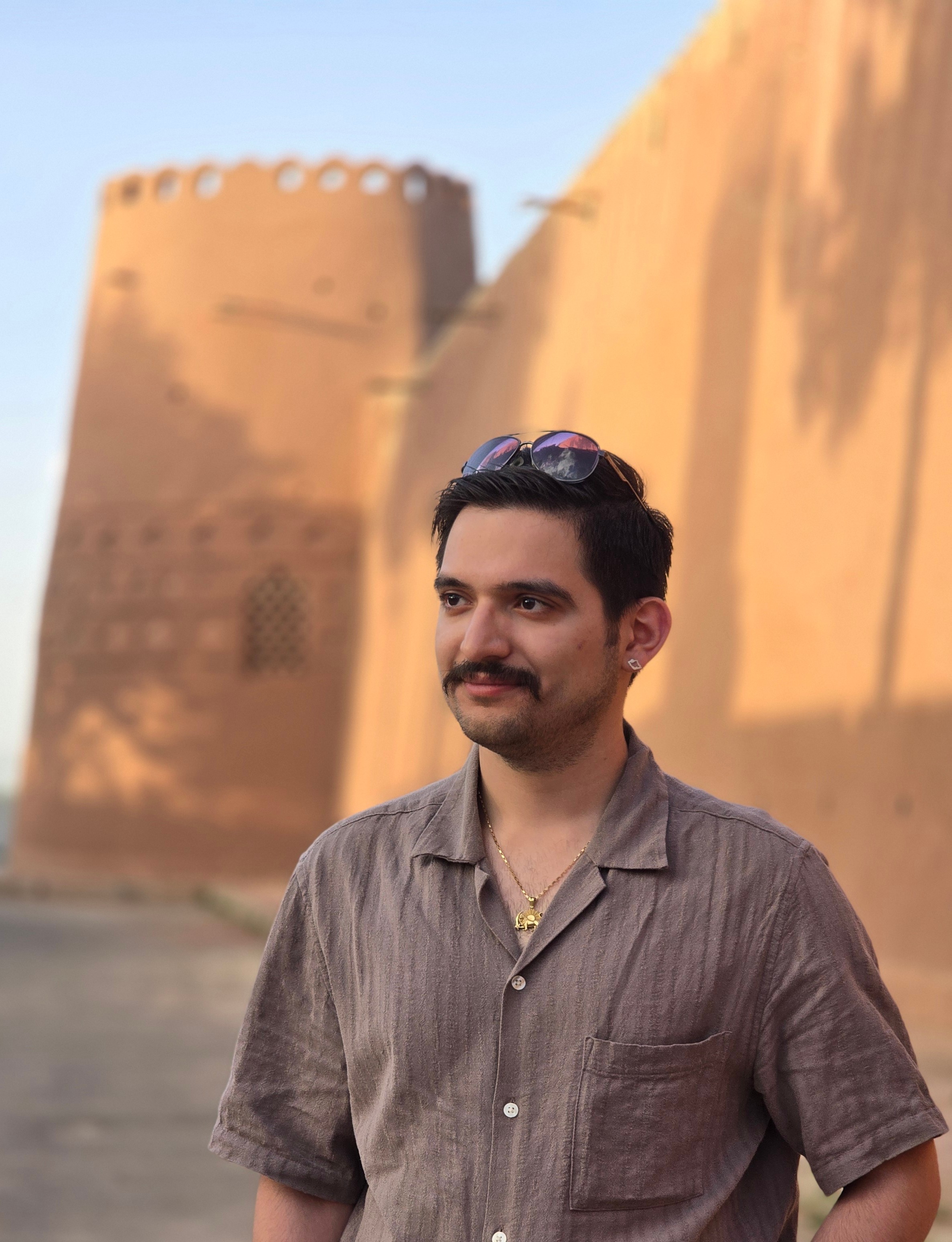
Ramtin Mousavi
Backend Developer & DevOps Engineer
Ramtin Mousavi holds Bachelor’s and Master’s degrees in Computer Engineering from Iran University of Science and Technology (IUST) and Sharif University of Technology (SUT).
As a backend developer and DevOps engineer, he was responsible for the development, deployment, and technical maintenance of the PersPred website. His contribution covers the engineering infrastructure behind the online platform and the practical systems required to make the linguistic database accessible through a reliable web application.
He also works closely with the research team as a technical advisor, particularly on the design and optimization of the data model underlying the compound verb database. His role helps bridge the project's linguistic requirements with efficient and maintainable software and database architecture.
Beyond software engineering, Ramtin is a poet with a longstanding interest in the Persian language. His enthusiasm for both technology and Persian linguistic heritage has made PersPred a particularly meaningful project for him. He is especially interested in contributing to projects that explore the structure and characteristics of Persian and that can support the development of Persian Natural Language Processing (NLP) resources.
Ramtin Mousavi est titulaire d’un diplôme de Bachelor et d’un Master en génie informatique, obtenus respectivement à l’Université des sciences et technologies d’Iran (IUST) et à l’Université de technologie de Sharif (SUT).
Développeur backend et ingénieur DevOps, il a assuré le développement, le déploiement et la maintenance technique du site web de PersPred. Sa contribution porte notamment sur l’infrastructure logicielle de la plateforme ainsi que sur les systèmes nécessaires pour rendre la base de données linguistique accessible au moyen d’une application web fiable.
Il accompagne également l’équipe de recherche en tant que conseiller technique, notamment pour la conception et l’optimisation du modèle de données de la base des verbes composés. Son rôle contribue ainsi à faire le lien entre les besoins linguistiques du projet et une architecture logicielle et une structure de données efficaces et maintenables.
Parallèlement à son activité d’ingénieur logiciel, Ramtin est poète et nourrit un intérêt particulier pour la langue persane. Son intérêt pour la technologie comme pour le patrimoine linguistique persan fait de PersPred un projet auquel il est particulièrement attaché. Il apprécie tout particulièrement de contribuer à des projets consacrés à la structure et aux caractéristiques du persan et susceptibles de favoriser le développement de ressources pour le traitement automatique du langage (TAL/NLP) en persan.